










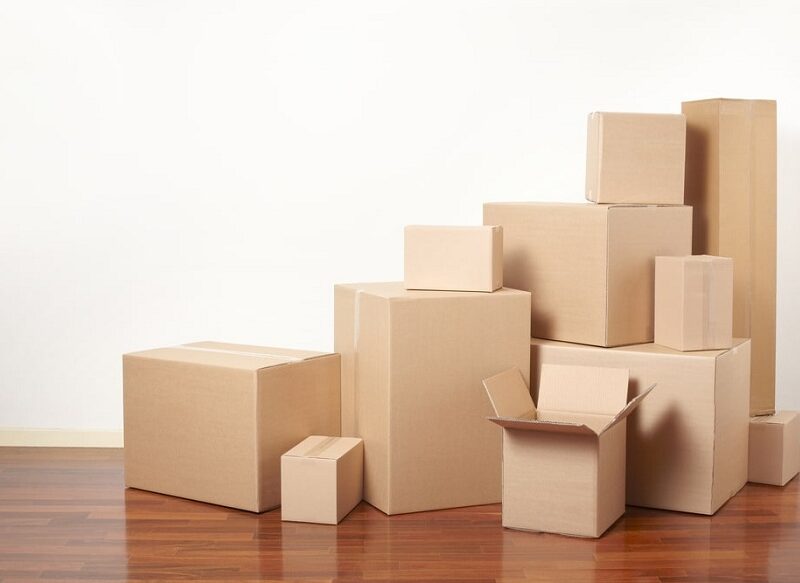

Box sizes matter a lot when packing for a move. They establish weight distribution, stacking stability, and ease of handling.
For instance, heavy items in large boxes become cumbersome to handle. They may easily tear. On the other hand, small boxes containing bulk and lightweight objects are a waste of space. They alsoincrease the number of containers you require.
The goal is to balance weight and volume. Properly packed boxes are easier to transport. They can be stacked and loaded into a moving vehicle more effectively. This saves labor time and reduces the chances of damage.
Read More: Packing Perfection: Tips for a Seamless Local or Long-Distance
Small boxes: Ideal for heavy items
Small boxes are designed for carrying heavy, dense items without being cumbersome.
AAA Moving experts recommend small containersfor:
- Books
- Kitchenware
- Tools
- Small electronics.
The explanation is simple: weight accumulates fast. For example, when a big box is filled with books, it may surpass safe lifting limits. Itmay result in injuries and the box collapsing.
Smaller boxes ensure a manageable weight. Hence, the structure remains intact.
Medium boxes: The most adaptable
Medium boxes are ideal for a large variety of household goods. This includes:
- Folded clothes
- Small appliances
- Decorations
- Kitchenware
- Pantry goods
- Miscellaneous household items.
These boxes provide a good balance of capacity and weight. This makes them the most used during a move.
They also permit increased organization. Putting similar items in medium boxes makes it easy to unpack. They also reduce the risk of losing important belongings.
Large boxes: Perfect when the item is light but bulky
Big boxes are to be used for products that occupy space but are not heavy. They include:
- Bedding
- Pillows
- Towels
- Lampshades
- Stuffed animals.
The trick is not to put heavy items into these boxes.Stuffing huge boxes causes handling problems. This increases the risk of breakage.
When properly utilized, large containers are easy to transport. They also reduce the number of boxes required altogether.
Specialty boxes to provide extra protection
Some products cannot be placed in regular boxes. This is where specialty containers come in:
- Wardrobe boxes enable you to transport hanging clothes without folding them.
- Dish packs have reinforced protection for delicate kitchenware.
- Electronics boxes have padding. This helps to protect sensitive equipment.
The appropriate specialty box will reduce excessive packing material. It provides more protection during transportation.
The strategy of packing is as important as the box size
It is not only about choosing the right box. You should also use the correct packing methods, including:
- Filling up empty space
- Spreading weight evenly
- Ensuring that a box is well sealed.
Poor packing can damage even the best box.
Labeling is also very important. Labeled boxes enhance organization. They make sure that equipment is stored in the right rooms. This saves time during unpacking.
Read More: Local or Long-Distance: Choosing the Right Move for You
The bottom line
Professional movers can match box size to the type of item. This is one of the most important factors when moving.
On the other hand, using the inappropriate box size:
- Poses a higher risk of damage
- Slows down the packing process
- Makes transportation difficult.
The right box sizes minimize delays and losses.