







Picking a new aluminium door or window isn’t just about flipping through a catalogue and pointing at whatever looks nice. These openings do a lot of quiet work in a home — they let in light, control airflow, keep out noise and dust, add a layer of security, and shape how a room actually feels to live in. Get the choice right and you barely think about it again for years. Get it wrong and you’re dealing with a sticky slider or a draughty frame every single day.
Aluminium has earned its popularity here because it lets you have slim, unobtrusive frames without sacrificing strength — which means more glass, more view, and a cleaner look overall. There are also Indian Standards covering aluminium-framed doors, windows and sliders, which is genuinely useful because it gives you something concrete to ask suppliers about instead of just trusting whatever they print on their pamphlet.
The smartest way to approach this is to start with your home, not the product. Look at where the opening actually sits, how much sun it gets, whether you need cross-ventilation, how often the door or window gets used in a day, and what kind of security you’re comfortable with. Once you’ve got a clear picture of that, you can start comparing profiles, glass, hardware, finish, and installation quality — because a gorgeous frame installed badly will give you exactly the same problems as a mediocre frame installed well, just with a bigger price tag attached.
Why Aluminium Has Become the Go-To Choice
Aluminium’s appeal comes down to a fairly simple trade-off: it manages better than most materials: strength versus visual weight. A slim aluminium profile can hold a large glass panel without looking flimsy, which is exactly what people want when they’re trying to bring more daylight and a better outdoor view into a room. It also comes in enough configurations — sliding, casement, fixed, folding — that the same basic material can show up in a bedroom, a balcony, a kitchen, and a large living-room opening, all doing very different jobs.
There’s also more standardisation around aluminium systems than a lot of buyers realise. BIS has IS 1948:2024 covering aluminium-framed doors, windows and sliders, and separate standards touch on things like wind resistance and thermal performance. None of this guarantees every aluminium product on the market performs the same — the actual profile, glass, hardware, fabrication and installation still decide that — but it does mean you can ask sharper, more specific questions instead of accepting vague words like “premium quality” at face value. Think of the frame as the skeleton of the opening. It has to be right for the size, the load, and how the window or door will actually be used before the finish and colour even enter the conversation.
Strength, Style and How It Holds Up Over Time
What makes aluminium attractive is this balance between looking light and actually being strong. A well-built system frames a big glass panel neatly without the opening feeling bulky or heavy — which matters a lot in living rooms and balconies where the view is half the point. But how well it actually performs comes down to the profile dimensions, the alloy used, the glazing, the hardware, drainage, and how carefully it was installed.
Don’t judge strength by tapping on the frame or comparing how thick two products look sitting next to each other. Ask the supplier for the actual system specification and find out what kind of opening it’s rated for. Wind resistance is a real, tested performance factor — BIS lays out test methods for how a window or door holds up under positive and negative air pressure — and that becomes especially relevant for larger openings or homes in areas that see strong winds. A good aluminium door or window should move smoothly and feel solid in your hand, but that feeling is a starting point, not a substitute for actual specifications.
Understand What Your Home Actually Needs First
Before you even talk to a supplier, walk through your home and make a list of every opening you want to replace or add. Note the rough width and height, whether it’s an external or internal opening, and what’s currently installed there. Then think about what each opening is actually for. A bedroom window probably needs to prioritise ventilation and privacy. A balcony door probably needs a big glass area and effortless movement. A kitchen window needs to be easy to operate and clean. A living room opening might be chosen mostly for daylight and the view it frames.
Read More: Electrical Problems Homeowners Face – A Guide by Temecula Electricians, CA
The layout of your home matters here too. A compact apartment usually does better with sliding systems that don’t eat up floor space with a swing radius, while a larger independent house might have room for casement or folding designs. Think about kids, elderly family members, and pets before you settle on how something opens and locks. A little planning at this stage saves you from an expensive redo later. Instead of asking “which aluminium window is the best one,” ask “which system actually fits this opening and how we use this room” — that one shift in framing tends to lead to much better decisions.
Think About Room, Opening Size and Daily Use
Bigger openings need more careful thought because the size and weight of the glass affects the frame, the rollers, the hinges, and everything else holding it together. A good supplier will actually assess the opening rather than just multiplying width by height and handing you a generic recommendation. For a wide balcony, for instance, you might weigh two-panel sliding against multi-panel sliding or a folding system. A smaller bedroom opening might do perfectly well with a simple casement or slider.
Cleaning and maintenance deserve a thought too. A stunning window that’s a nightmare to reach and clean loses its shine fast. A sliding door that gets opened dozens of times a day needs proper rollers and hardware, not the cheapest option on the quote. Your actual daily routine is part of the spec, whether you think of it that way or not — spend five minutes picturing yourself opening, closing, cleaning and locking this thing every day for the next ten years, and a lot of unsuitable options will rule themselves out.
Choosing the Right Design
The design you pick should fit how you actually move through your home. Sliding systems work well where space is tight, since the panels travel along the frame instead of swinging into the room. Casement systems open in or out and can give you a wide, unobstructed ventilation gap. Fixed panels are there when you mostly want light and an uninterrupted view, with no moving parts at all.
There’s no single “best” design here — it depends on the opening, your furniture layout, ventilation needs, safety, and how you want the room to look. Many modern aluminium systems mix fixed and opening panels in the same composition, so you can build a large glazed wall without making every section operable. When you’re discussing this with a supplier, ask to see how the frame looks from both inside and outside the room. Small things like sightlines, meeting rails, handle placement and panel proportions end up mattering a lot more than people expect once the installation is done.
Sliding Aluminium Doors and Windows
Sliding systems are a natural fit for balconies, patios, and any room where floor space is at a premium — the panels don’t need a swing zone, and they create a clean visual link between indoors and out. But because they’re often used so frequently, the quality of the track, rollers, locking mechanism, and drainage matters a lot more here than it does for a window you might open twice a week.
Read More: From Quality to Price: Choosing uPVC Doors and Windows Suppliers in Karnataka
Before buying, physically test a sample a few times. Does it glide smoothly? Does it stay aligned after repeated use? Does the handle feel solid in your hand? Does the lock engage without a fight? These small checks tell you more than any brochure will. If you’re going for a large sliding door, also ask how the supplier is sizing the system and glass combination for your specific opening.
Casement and Openable Windows
Casement aluminium windows are worth considering when ventilation is the priority. Because the sash swings open instead of sliding behind another panel, you often get more of the opening actually usable for airflow — which makes them a solid choice for bedrooms, kitchens and study rooms.
The key is matching the opening direction to your room layout. A handle that ends up hidden behind furniture is annoying every single day, and a sash that swings into a walkway becomes an obstacle nobody wants. Talk through the opening angle, handle position, mosquito-mesh setup, and cleaning access before the design is finalised. The most photogenic window isn’t much use if it fights with how the room actually functions.
Selecting the Right Aluminium Profile
The profile is the frame itself — its dimensions, shape, alloy and fabrication quality decide both how it looks and how it performs. Slim profiles give you that minimalist, glass-forward look, while heavier profiles may be necessary for bigger openings or specific performance needs. Instead of judging a profile by how thick it looks, ask what size opening and application it was actually engineered for.
The profile also needs to work with the glazing and hardware you want. If you’re after larger glass panels, your supplier should be looking at the whole system, not treating the frame as something separate from everything sitting inside it. This is worth pushing on when you’re comparing quotes, because two frames that look nearly identical on the surface can have very different engineering behind them.
Standard vs Slim-Profile Options
Slim profiles look great and maximise your glass area, which is why they’re so popular in contemporary homes. But slim doesn’t automatically mean better — the frame still has to be right for the size, the glass weight, and the conditions it’ll face. A large door needs a system built for that job, not just the thinnest option on the shelf.
Ask for profile drawings or a physical sample wherever possible. Look closely at the frame depth, how it accommodates the glass, the drainage paths, and how joints are put together. If you’re working with an architect or designer, share these details with them before the layout is locked in. The aim isn’t to make every frame as thin as humanly possible — it’s to find the right balance between how it looks, how it performs, and how long it lasts.
Getting the Glass Right
Glass changes the character of an aluminium door or window as much as the frame does, sometimes more. Clear glass keeps everything open and bright. Tinted, laminated, toughened or insulated glazing each solves a different problem. If your home sits near a busy road, noise reduction becomes a real consideration. For large doors and windows, safety glazing deserves proper attention. And if your home gets a lot of direct sun, your glazing choice affects how much heat actually makes it indoors.
Common glazing categories worth knowing include float glass, laminated and toughened safety glass, heat-strengthened glass, and insulated glazing units. Which one is right depends on where the opening is, its size, safety needs, and whether thermal or acoustic performance matters more to you. Don’t let glass get treated as an afterthought in the conversation — ask for the exact glass specification in writing so you can actually compare quotes on equal footing.
Safety, Heat and Noise
For a family home, glass isn’t just about how it looks. Large glazed doors and windows get touched, opened, and occasionally bumped into constantly, so the right safety specification matters more than people assume. If you’re on a busy street, ask whether a different glazing setup could help with noise. If the opening gets hammered by direct sun for hours, talk to the supplier about solar-control glazing.
Thermal performance is also something to judge as part of the whole assembly rather than the frame in isolation — there are recognised standards in India for testing and calculating window thermal transmittance. Your supplier should be able to explain, in plain terms, what glazing-and-frame combination they’re proposing if energy efficiency matters to you.
Hardware and Security
Handles, locks, rollers, hinges, and restrictors seem like small details, but they shape your day-to-day experience of the window or door more than almost anything else. A beautiful frame gets irritating fast if the handle is uncomfortable, the roller starts grinding, or the lock refuses to click into place. For doors that get used constantly, hardware quality really is worth prioritising.
Ask exactly what brand and spec of hardware is being supplied, and whether replacement parts are actually available down the line. For sliders, ask about the roller construction and how they’re adjusted. For casement windows, ask about the hinges, handles, and locking points. And when someone tells you a product is “high security,” push a little further and ask what specific locking mechanism is actually in there and how it’s meant to work with the frame and glass together.
Weather and Thermal Performance
How well a window or door handles weather comes down to the whole installed assembly — the frame, the seals, drainage, glass, and the quality of the workmanship. Water that sneaks in through a poorly sealed joint can quietly damage the surrounding wall finish long before the aluminium itself shows any wear. This is exactly why installation quality matters just as much as the product you bought.
If your area gets heavy rain or strong wind, ask the supplier directly how the proposed system manages water and airflow. Air leakage, water penetration, wind resistance and thermal performance are all recognised, testable factors for glazing systems — they’re not just technical jargon, they translate straight into comfort and how long the installation lasts. A properly designed and fitted system should work as one complete unit, not depend on a supplier piling on extra sealant to cover for sloppy fabrication.
Comparing Finishes
The finish does a lot of the visual heavy lifting for your home. Common options include natural metallic finishes, anodised surfaces, and powder-coated colours, and your pick should work with your walls, flooring, furniture, and any other metal already in the space.
Don’t judge a finish off a tiny colour swatch — ask to see a full-size sample, because colour reads very differently across a whole frame than it does on a two-inch card. Ask how the finish is applied and what warranty comes with it. Anodising and powder coating are the two approaches you’ll run into most often, and each has its own trade-offs in durability and appearance depending on where the frame will sit.
Choosing an Aluminium Door Window Supplier
Finding the right supplier matters just as much as picking the right profile. Look for someone who asks about your opening, how you’ll use it, and your installation conditions before jumping straight to a price. A supplier worth working with should be able to walk you through the profile, glass, hardware, finish, installation, and warranty in language that actually makes sense, not sales-speak.
We’ve worked with quite a few homeowners through APL Pollo Doors and Windows who came in comparing three or four quotes, and the gap between them almost always came down to what wasn’t written on the page rather than what was. One quote looks cheaper because it’s using a lighter glass spec, cheaper hardware, a different profile system, or has quietly left out a few installation components. Ask for an itemised quote every time so you can see exactly what’s being compared. Request samples and ask to see completed projects if you can.
Quality here isn’t something you can eyeball from a showroom floor — it comes down to manufacturing infrastructure, process control, and actual testing, which is a good reminder to evaluate suppliers on documented specifications rather than marketing language.
Aluminium Door and Window Manufacturing in West Bengal
If you’re looking into aluminium door and window manufacturing in West Bengal, local fabrication and after-sales support genuinely make a difference — installation conditions, transport, and follow-up service can vary quite a bit between suppliers even within the same city. There’s a decent spread of manufacturers and fabricators across the region offering sliding and openable systems in different configurations.
When you’re comparing manufacturers here, don’t assume every locally made system is built to the same standard. Ask about the profile, glass thickness and type, hardware, how it’s fabricated, the finish, sealants used, the installation process, and the warranty. If you’re in Kolkata or elsewhere in West Bengal, visiting a showroom or an already-completed installation is genuinely worth the trip — it tells you more about fabrication quality than any conversation will. A local supplier is convenient, but the decision should still rest on specifications, workmanship, and service.
Budget and Installation Costs
Aluminium door and window pricing depends on enough variables that a simple per-square-foot comparison can be misleading. Profile type, glass, hardware, finish, configuration, size, installation difficulty, and accessories all move the final number. A sliding balcony door and a small fixed window shouldn’t be compared on material cost alone — they’re doing completely different jobs.
Ask whether the quote covers transport, installation, glass, hardware, mosquito mesh, sealants, removing the old frames, and finishing around the opening. Get clarity on taxes and warranty terms too. A quote that looks cheaper upfront can end up costing more once you realise what it left out.
The smarter way to handle budget is to separate what’s essential from what’s a nice-to-have. Put your money into the structural system, glass, hardware and installation first. Once that’s locked in, choose colours and decorative extras based on whatever’s left.
Aluminium Door Ideas for Modern Homes
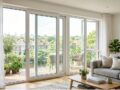
A good aluminium door idea starts with the room it’s going into, not a photo you saw somewhere. For a balcony, a large sliding glass door can create a strong connection between indoors and outdoors. For a terrace or garden-facing room, a wider glazed opening can make the outdoors feel like part of the living space. In a smaller room, a simple sliding design keeps your floor space intact.
You can also combine fixed and opening panels to build a bigger architectural statement. Dark or neutral finishes tend to suit contemporary interiors, while lighter finishes give a softer feel. The thing that ties it all together is consistency — match the door profile, handles and finish across the other windows and metal elements in your home, rather than chasing whatever’s trending at the showroom that week.
Aluminium Window Ideas for Different Rooms
An aluminium window idea should be picked based on what the room actually needs. Bedrooms usually benefit from openable windows for ventilation. Living rooms often work well with a mix of fixed glazing and opening sections to balance view and airflow. Kitchens need something easy to operate and clean, and bathrooms often call for privacy glazing or smaller openings.
You don’t have to use the same window type throughout the house — mixing types across rooms gives each space what it actually needs while keeping the finish consistent. Stick to the same colour and a related profile family even where the opening mechanisms differ, and the façade will still read as one cohesive design.
Mistakes Worth Avoiding
One of the most common mistakes is choosing purely on price. Another is fixating on the visible frame while barely thinking about the glass, hardware, or installation. A lot of buyers also assume a thicker profile automatically means better quality — but the actual system design and how well it suits the application matter far more than one measurement.
Don’t sign off on a final design without checking the opening direction, handle position, and cleaning access. Don’t overlook drainage and sealing details either. And above everything, don’t accept a vague quotation — get the supplier to spec out the aluminium system, glass, hardware, finish, installation scope, and warranty in writing.
Questions Worth Asking Your Supplier
- What aluminium profile system is being proposed?
- What’s the exact glass specification?
- Which hardware and locking system will be used?
- Does the quoted price include installation?
- What finish is being supplied?
- How is drainage and sealing handled?
- What warranty covers the frame, glass and hardware?
- Are replacement hardware parts available later?
- Is this system actually right for the size of my opening?
- Can I see a physical sample or a completed installation?
Any supplier worth hiring should answer these without hesitation. If the answers stay vague, ask for everything in writing before you commit.
Aluminium vs Other Materials
| Feature | Aluminium | Wood |
| Appearance | Modern, slim and versatile | Natural and traditional |
| Maintenance | Generally low | Usually higher |
| Design flexibility | High | High |
| Large glazed openings | Can be suitable with the right system | Depends on construction |
| Finish options | Wide range | Paint, stain and polish |
| Moisture resistance | Generally good when properly finished | Requires more care |
| Typical character | Modern and minimalist | Warm and classic |
No single material wins across the board — it comes down to the building, the climate, your design taste, budget, and what you actually need it to do. Aluminium tends to win out when you want a modern look, strong framing, and flexible glazing, but the quality of the specific system you choose still decides how well it actually performs.
Maintenance Tips
Aluminium doors and windows are genuinely low-maintenance, but “low” isn’t “none.” Keep tracks and drainage channels clear of dust and debris, especially on sliders. Clean the glass and frames with products suited to the finish, and skip harsh cleaning methods that can strip a coated or anodised surface over time.
Pay attention when something changes. A sliding panel that suddenly sticks, a handle that starts feeling loose, or a lock that won’t quite catch — get it looked at rather than forcing it. Small issues are much easier to fix early, before they turn into a bigger hardware or alignment problem. Regular cleaning is also a good chance to spot a damaged seal, a blocked drainage path, or a loose fitting before it becomes a real headache.
Final Checklist Before You Sign
Before you sign off on a quotation, check the whole package, not just one line item. Confirm the profile, dimensions, glass, hardware, finish, configuration, and installation details, and make sure the quote spells out exactly what’s included and what isn’t.
Compare suppliers on documented specifications and service, not just promises. BIS’s “Know Your Standard” platform is a useful reference point if you want to ground technical conversations in something concrete rather than sales language. Once you’re happy with the specs, go through the warranty, payment terms, and installation schedule one more time before placing the order.
Final Thoughts
Choosing the right aluminium door window gets a lot easier once you stop treating it as a single product purchase and start treating it as part of your home’s overall design and performance. The profile, glass, hardware, finish, and installation all work together — comparing frame prices alone won’t tell you which option is actually the better value. Start with the room, figure out what it needs, and then compare systems using real specifications rather than gut feel.
Whether you’re working through an aluminium door idea for your balcony, an aluminium window idea for a bedroom, or looking into Aluminum Door and Window Manufacturing in West Bengal, ask the detailed questions before you buy. Find a supplier who explains things clearly, gives you a transparent quote, and sticks around after installation. At APL Pollo Doors and windows, this is the approach we take with every project — get the design, engineering, glass and workmanship right, and your doors and windows become one of those parts of the home you never have to think twice about.
Frequently Asked Question
- How do I choose the right aluminium door window for my home?
Start with the opening size, what the room is used for, ventilation and daylight needs, security, glass requirements, and your available floor space. Then compare profile systems, hardware, finishes, and installation quality across a few reputable suppliers. - Which aluminium door window design works best for a balcony?
Sliding aluminium doors are the usual choice for balconies since the panels move horizontally and don’t need swing space. The exact system should still be matched to your opening size, glass spec, and hardware needs. - What should I ask an aluminium door window supplier?
Ask about the aluminium profile, glass type, hardware, finish, installation, drainage, warranty, and after-sales support — and get it all written into the quote so you can compare suppliers fairly. - Are aluminium windows a good fit for modern homes?
Yes — aluminium supports both slim-profile designs and large glazing, which suits contemporary architecture well. How it actually performs still comes down to the system, glass, hardware, fabrication, and installation. - What should I look for when comparing aluminium manufacturers in West Bengal?
Check their profile specs, fabrication quality, glass and hardware options, finishing process, installation track record, warranty, and after-sales service. Visiting a showroom or a completed project tells you more than any brochure will.