










There’s a reason subway tile keeps finding its way back into homes. And there’s nothing wrong with choosing something familiar for your home. In fact, some of the best interiors aren’t built around unusual materials at all. They simply use ordinary ones with a little more thought. Subway tile is a good example.
1. Turn the Layout into a Design Feature
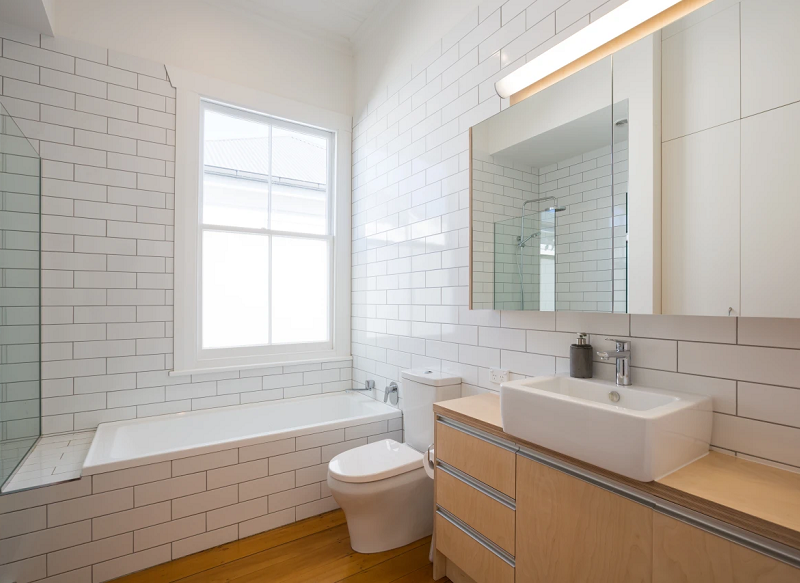
You can take the same subway tile and make it look traditional, contemporary or completely unexpected simply by changing the layout.Turn it vertically and the room takes on a different rhythm. Use a modern herringbone and suddenly a basic rectangular tile has movement. Stack it neatly and the result can feel crisp and almost architectural.
And since modern subway tiles show diversity in shape, material, and finishes, their application extend far beyond the familiar white kitchen backsplash to include Subway Tile Flooring solutions and statement shower walls.
But creative patterns leave very little room for sloppy installation.Corners, windows, power points, niches and cabinetry all affect where those lines end. If the layout hasn’t been worked out beforehand, you can end up with awkward little cuts that become impossible to ignore.
A good tiler thinks about things such as:
- Where the pattern starts
- Where it finishes;
- How the cuts will look;
- What happens around corners and openings?
- Whether the lines work with the cabinetry and fittings.
That’s the difference between simply laying tiles and actually designing a surface.
2. Longer Tile Can Change the Whole Feel of a Wall
The classic 3×6 subway tile has a strong visual identity. A longer 3 by 12 or 4×12 format tells a different story. With fewer joints interrupting the surface, the wall can feel quieter and more continuous. That can be particularly useful when the room already has plenty happening—handle-heavy cabinetry, open shelving, appliances, plumbing fixtures or strong benchtop patterns.
That can work especially well on:
- A full-height kitchen backsplash
- A long bathroom vanity wall
- A fireplace surround
- A laundry or mudroom wall.
The longer profile can also complement modern cabinetry and simple hardware without competing with them. But proportion still matters.
Read More: Exploring the Diversity of Tile Shapes: A Comprehensive Guide
But don’t assume longer automatically means better. A longer tile squeezed around a small window or crowded by multiple outlets can create more problems than it solves. An experienced installer will look at the actual wall, the openings and the surrounding finishes before recommending a format.
That bit of planning often makes more difference than choosing an expensive tile.
3. Sometimes the Irregularity Is the Point
There’s something quite different about a wall that doesn’t look perfectly machine-made.Zellige-style tiles and other high-variation glazed finishes bring small shifts in color, surface and reflection. Some pieces catch the light differently. Others have subtle variations that become more noticeable as the day changes. Instead of adding another decorative element to the room, the tile itself becomes the detail.
Picture a warm kitchen with timber cabinetry, natural stone and brushed metal fittings. A softly varied glazed tile can sit comfortably among those materials without making the room feel over-designed.
There is, however, a line between character and chaos. If the tile already has plenty of movement, you probably don’t need five other finishes fighting for attention.Good design isn’t about making everything interesting. It’s knowing which element deserves to be interesting.
4. White and Grey Aren’t the Only Safe Choices
Subway tile has long been associated with white kitchens and cool grey bathrooms. They’re dependable choices, but dependable doesn’t have to mean your only choices.A muted sage can work beautifully with timber. A coastal blue can give a bathroom a softer, more relaxed feel. Warm greige color schemes can keep things neutral without creating the slightly cold appearance that some greys bring.
Read More: Here’s What You Should Know Before Hiring a Tile Installer
The trick is not choosing color because it looks good in a showroom. Look at the room you actually live in.For a renovation intended to last, consider how the tile will interact with:
- Natural daylight
- Cabinetry and benchtops
- Flooring
- Metal finishes
- Surrounding paint colors.
That is where professional listening matters. Your home, lighting and lifestyle may call for something completely different from the showroom trend of the moment.
This is also where a good professional earns their place. Rather than pushing whatever is currently popular, they should listen to what you want the room to feel like and then work backwards from there.
In essence, subway tile hasn’t become boring. It has simply become more flexible. Modern subway tiles show diversity in shape, material, and finishes. That helps fit any home renovation design style, making them suitable far beyond the familiar white kitchen backsplash. The real difference comes from knowing when to modify for surface protection, when to keep things quiet, and how to make every choice work with the space around it.