










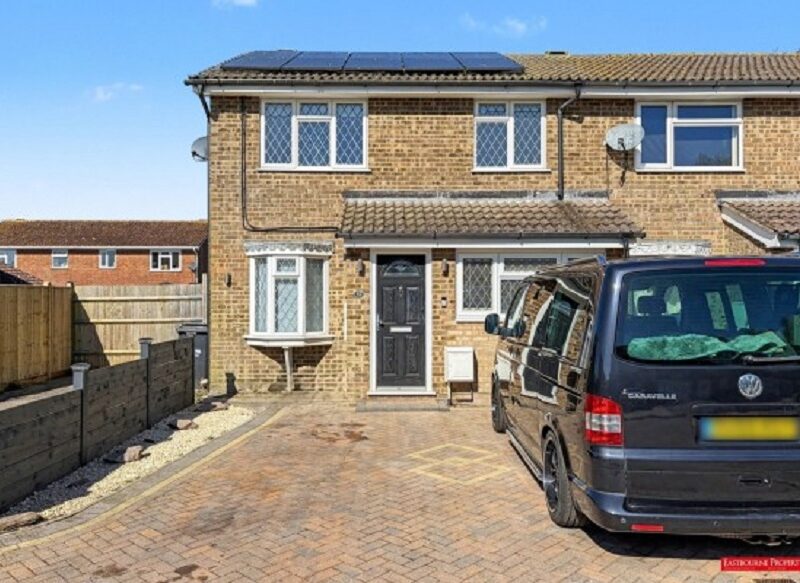

There’s a board outside a flat near Meads that barely gets a chance to say “To Let” before someone’s rung about it, and that tells you most of what you need to know about this town’s rental market right now. Family houses further out towards Langney or Hampden Park don’t move nearly as fast, sometimes sitting empty for a month or more, even when the price looks fair. Because of that gap, it pays to find rental properties through letting agents in Eastbourne rather than guess which end of town is actually working for you. Eastbourne runs to its own rhythm, and honestly, it’s not one that lines up with what you’d expect from a typical English seaside town.
It’s worth saying that none of this happened overnight. The pattern has built up slowly, shaped by who moves to Eastbourne and why, rather than by any sudden shift in the market. Once you understand that, the flat versus house question starts to make a lot more sense.
A Town Built Around a Certain Kind of Tenant
Eastbourne has always drawn a particular crowd, and that’s not a criticism so much as demographic reality built up over decades of retirees choosing the town for its mild climate and its flat, walkable seafront. Because the local population skews older, one and two bedroom flats near the shops and the front have stayed in demand pretty consistently, even when the wider economy has had a wobble or two. Family houses appeal to a narrower slice of renters, mostly commuters or people relocating for schools, and that group tends to feel price rises more, along with the roughly ninety minute run into London Victoria. A smaller flat near Devonshire Park or the Old Town, then, usually gets snapped up fast by someone who cares more about being close to everything than about square footage.
Read More: How Choosing Estate Agents In Chandlers Ford Affects Your Sale Success
That said, it’s not just about age. Plenty of younger professionals working remotely have started looking at Eastbourne too, drawn by the same things that appeal to retirees: a manageable size of town, good sea air, and a slower pace than Brighton offers just up the coast. But their numbers are still small compared to the retirement crowd, and for now that older demographic remains the one steering most of the demand.
Why Location Beats Size Here
You’d think more space always wins, wouldn’t you? Eastbourne doesn’t quite play by that rule. Tenants going for retirement flats are usually after things a large house struggles to offer just as easily: step free access, closeness to the seafront, and a short walk to the shops along Terminus Road. On paper, a four bedroom house in a quiet residential pocket might look like the better deal, yet if it’s a fifteen minute drive from anywhere useful, that inconvenience starts to outweigh the extra bedroom pretty quickly. Letting agents who’ve worked the town for years will often say the same thing, that a well placed flat can outperform a much larger house simply because it takes the friction out of daily life for the kind of tenant Eastbourne tends to attract.
There’s also the upkeep question, which gets overlooked more than it should. A flat with a managing agent handling the roof, the guttering, and the communal areas suits someone who doesn’t want the hassle of maintaining a garden or worrying about a boiler on a cold January morning. Houses ask more of their occupants in that sense, and for a tenant who’s downsizing specifically to simplify life, that’s often reason enough to choose the smaller option even when the rent per square foot works out higher.
Has Hybrid Working Changed the Balance?
You might expect hybrid working to have tipped things back towards family houses, and to some degree it has, just not by much. Eastbourne still pulls in a fair few commuters heading towards Brighton or London, and houses in areas like Old Town or Willingdon keep finding tenants from that group. But the downsizing market has grown faster over the same stretch of time. Part of that comes down to Bexhill and Hastings becoming more competitive on price, which has pushed some retirees to widen their search and give Eastbourne a proper look. That’s not nothing, and it goes some way towards explaining why the balance hasn’t swung back the way a few people expected.
There’s a second factor too, one that doesn’t get talked about as much. Energy costs have made larger properties less appealing to some renters over the past few years, and a smaller flat is simply cheaper to heat. For a tenant on a fixed retirement income, that’s not a minor detail, it’s often part of the decision from the start rather than something worked out after moving in.
What This Means If You’re a Landlord
If you’re trying to decide where to put your money, the honest answer is that it depends on what kind of management you’re prepared to take on. Flats tend to rent faster with fewer void periods, though service charges and leasehold terms can chip away at your yield. Houses, once let, tend to offer more stability, since family and long term tenants often stay for years rather than months, but they can take longer to fill and usually need more upkeep given their size. In most cases, the smarter move isn’t picking a side outright. It’s understanding which type of property suits your appetite for risk and your patience for turnover, because both can work well in this town if you go in with the right expectations.
It’s also worth thinking about exit strategy, something a lot of first time landlords don’t consider early enough. A retirement flat in a popular block near the seafront tends to hold its resale value well, given how consistent demand has been in that segment. A family house offers more flexibility if your own circumstances change, since it appeals to a broader pool of future buyers as well as renters. Neither choice is wrong, but they do lead down fairly different paths depending on what you want from the property in five or ten years.
It Depends Which Part of Eastbourne You Mean
Not every corner of the town behaves the same way, and that’s easy to miss if you’re only looking at headline figures. Flats near the seafront and around Meads command a premium and tend to let almost immediately, whereas similar properties further out towards Hampden Park or Langney can sit around for longer despite being cheaper. Houses show a similar pattern: those near good schools in Willingdon, or within walking distance of the station, hold their appeal whatever the wider trend happens to be doing. This is arguably the part of the story that gets the least attention, because it’s a lot easier to talk about flats versus houses in the abstract than to map out which streets are genuinely driving the difference.
Old Town deserves a specific mention here, being the kind of area that quietly does well regardless of what category of property you’re offering. Its mix of period houses and smaller conversions, close to independent shops and a short walk from the station, means it doesn’t fit neatly into either camp. Landlords with property there tend to have an easier time letting, whatever the size of the place, simply because the location does a lot of the work on its own.
What Tenants Actually Say They Want
Speak to enough letting agents in the town and a pattern starts to emerge in what tenants ask for first, and it’s rarely the number of bedrooms. Most retirees enquiring about flats want to know how far the nearest bus stop is, whether the building has a lift, and how close the nearest supermarket sits to the front door. Younger tenants looking at houses tend to ask different questions entirely, usually about parking, garden size, and how long the commute into Brighton or London actually takes once you factor in the walk to the station. So the two groups aren’t really competing for the same properties at all, which is part of why the market can support both ends so comfortably without one undermining the other.
Read More: Choosing the Best Area to Rent in Putney
That separation also explains why price alone rarely tells the full story here. A flat and a house at a similar monthly rent can perform completely differently depending on who’s searching for what, and agents who understand that distinction tend to place tenants faster and with fewer complaints once they’ve moved in. It’s a small thing, but it adds up over a year of lettings.
Final Thoughts
What’s happening in Eastbourne isn’t really a case of flats beating houses in any permanent, structural way. It’s more a reflection of who the town has always served best. For as long as Eastbourne keeps attracting people who value ease of living over extra space, retirement flats will probably keep winning on speed of letting, even while houses remain the steadier long term earners for landlords who’d rather not change tenants every year. The more interesting question, and one worth keeping an eye on over the next few years, is whether the town’s slowly shifting mix of commuters and downsizers ends up closing that gap or pulling it wider still.