










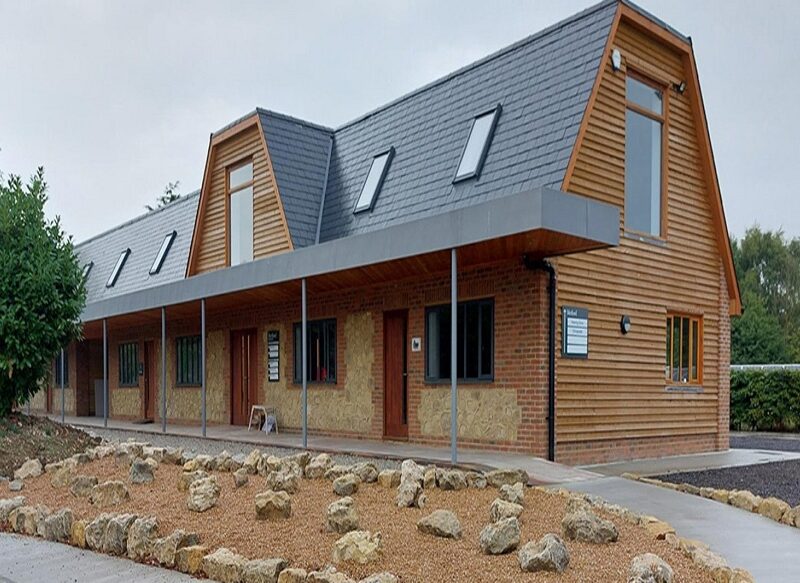

The Ashford commercial property market continues to attract interest from investors and businesses seeking opportunities in Kent. Its strategic location, strong transport connections and proximity to London make it an important commercial centre in the South East. Property consultants Ashford can provide local market insight to help investors understand emerging trends, assess opportunities and consider the factors that could influence the performance of a commercial property investment.
Ashford’s Commercial Property Market
Ashford benefits from its position between London and the Kent coast, with excellent connections to the wider South East and the capital. The town’s rail connections, including high-speed services to London, have contributed to its appeal as a location for businesses and residents.
The local commercial property market includes offices, retail premises, industrial units, warehouses and development opportunities. This variety means investors can consider different strategies depending on their objectives, whether they are seeking rental income, capital growth or opportunities to improve and reposition an asset.
Growing Importance of Connectivity
Transport infrastructure is a significant consideration when assessing commercial property in Ashford. The town’s connectivity provides businesses with access to London and other parts of Kent, while road links support connections across the wider region.
Properties that offer convenient access to major transport routes can be attractive to occupiers, particularly businesses where accessibility and distribution are important. Investors should therefore consider both the property’s location and its relationship with the wider transport network.
Read More: The Role of Social Media in Modern Estate Agency Marketing in Ilford
Future infrastructure improvements should also be considered as part of longer-term investment analysis, although investors should undertake appropriate due diligence before placing significant weight on proposed developments.
Demand for Industrial and Logistics Space
Industrial and logistics property remains an important sector to consider in Ashford. Its location within Kent and connections to major transport routes can make the area suitable for businesses requiring warehousing, distribution and operational space.
Investors assessing industrial opportunities should consider factors such as unit size, loading facilities, access, parking, building specification and the availability of comparable premises.
The condition and flexibility of a property can also affect its ability to attract and retain occupiers. Modern, well-located premises may have an advantage where businesses require efficient and adaptable working environments.
Office and Retail Opportunities
Ashford’s office market presents a different set of considerations. Changing working patterns have influenced occupier requirements, with businesses increasingly looking for flexible, well-connected and high-quality workplaces.
Investors should assess the location, condition, amenities and flexibility of office properties, alongside local demand and competing supply.
Retail property also remains part of the local market, although changing consumer behaviour means that investors need to consider factors such as footfall, tenant mix, accessibility and the property’s potential for alternative uses.
For some assets, refurbishment or a change in use may create additional opportunities, subject to planning requirements and the relevant market conditions.
Regeneration and Development
Regeneration can have an important influence on the long-term attractiveness of a commercial property location. New development, improvements to public spaces and investment in infrastructure can contribute to changes in occupier demand and the wider economic environment.
Investors should consider how proposed or ongoing developments could affect a property’s surroundings and future competitiveness. However, regeneration plans should be evaluated carefully, including their expected timescales and potential impact on the specific property.
Development opportunities may also appeal to investors looking to add value rather than simply acquire an existing income-producing asset.
Rental Income and Capital Growth
When evaluating an investment, investors should consider both potential rental income and longer-term capital growth. Rental demand can vary depending on property type, location, specification and the needs of local occupiers.
Comparable rents and recent transactions can provide useful context when assessing an acquisition. Investors should also consider operating costs, lease structures, vacancy risks and potential expenditure required to maintain or improve the property.
Capital growth should similarly be viewed as a long-term consideration rather than a guaranteed outcome. Market conditions, economic factors, infrastructure and local development can all influence future property values.
Key Considerations for Investors
Anyone considering commercial property in Ashford should take a comprehensive approach to due diligence. Key factors include location, tenant demand, rental potential, property condition, accessibility, planning considerations and future capital expenditure.
Understanding the wider market is equally important. A property that appears attractive based on its purchase price may have limited investment potential if demand is weak or significant expenditure is required.
Ashford’s strategic location, connectivity and diverse commercial property market provide a range of opportunities for investors. By combining local market knowledge with detailed financial, property and legal due diligence, investors can better assess the risks and opportunities associated with commercial property and make informed investment decisions.